
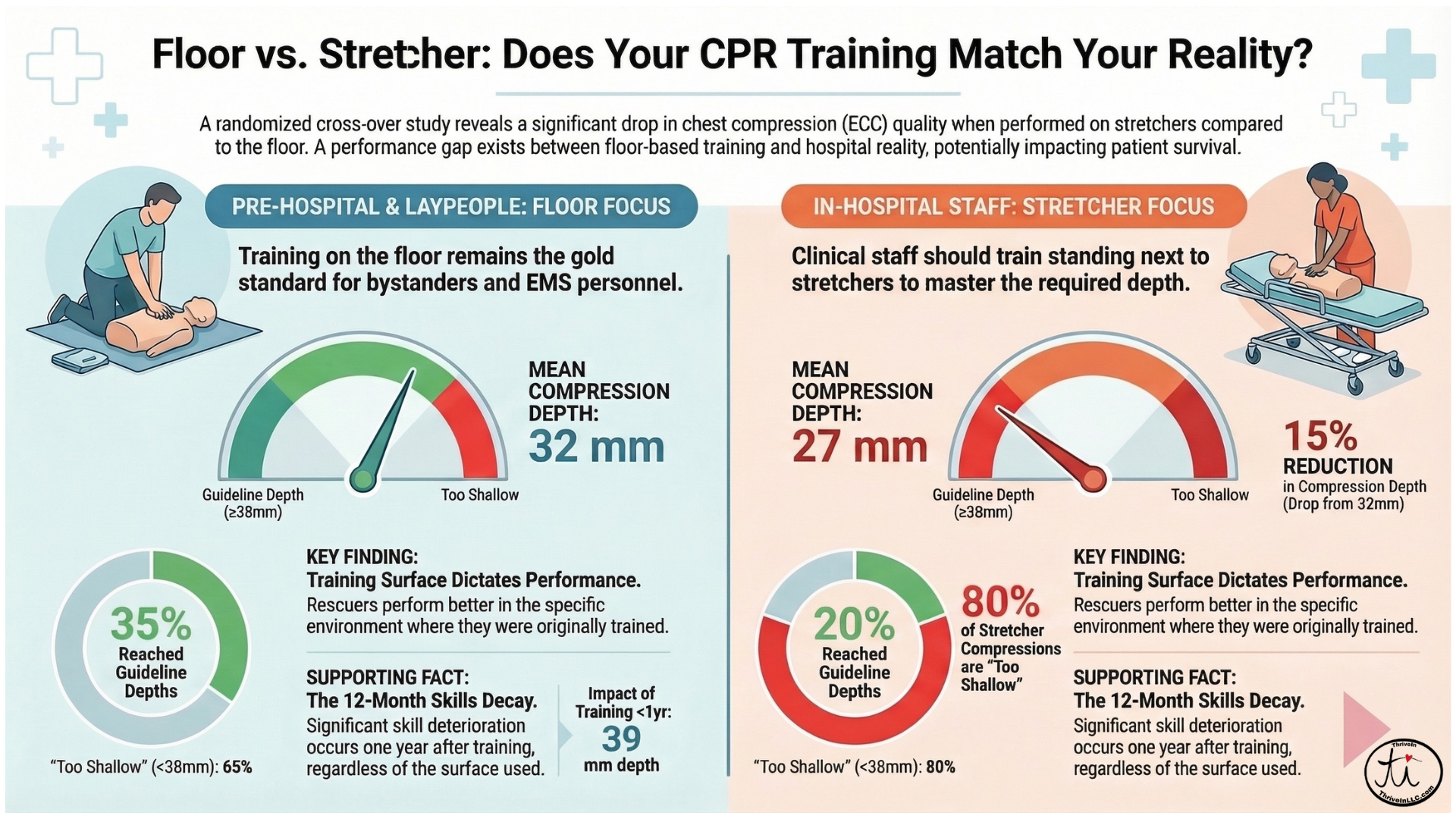
Why Your CPR Training Surface Might Be Costing Lives
In the high-stakes in-hospital environment, we are often training our hands for a floor that doesn't exist. There is a profound clinical irony at play: while medical professionals spend countless hours mastering life-saving protocols, the physical environment of that training, usually a firm classroom floor, is fundamentally at odds with the clinical reality of an in-hospital arrest. A "simulation gap" is not merely a logistical nuance; it is a critical variable in patient survival. By evaluating the performance of nurses and nursing support staff, researchers have uncovered how our training surfaces and the rapid decay of technical skills may be quietly undermining the quality of resuscitative care.
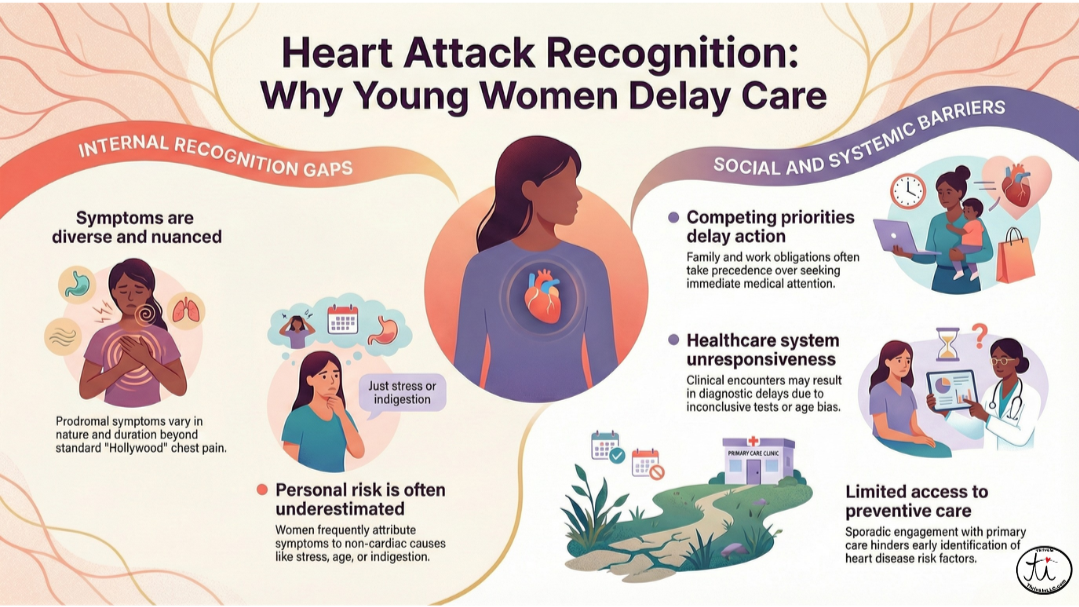
The Invisible Crisis: Young Women and Heart Attacks
Heart disease is often culturally coded as an "old man’s problem", a condition of the silver-haired and the sedentary. This stereotype is not just inaccurate; it is lethal. Every year, more than 15,000 women in the United States under the age of 55 die from heart disease, making it a leading cause of death for this demographic.
The tragedy lies in the disparity of outcomes. Research reveals that young women have twice the risk of dying during a hospitalization for an acute myocardial infarction (AMI) compared to men of the same age. For those who survive the initial event, the road ahead remains treacherous: their subsequent mortality risk is approximately 50% higher than their male counterparts.
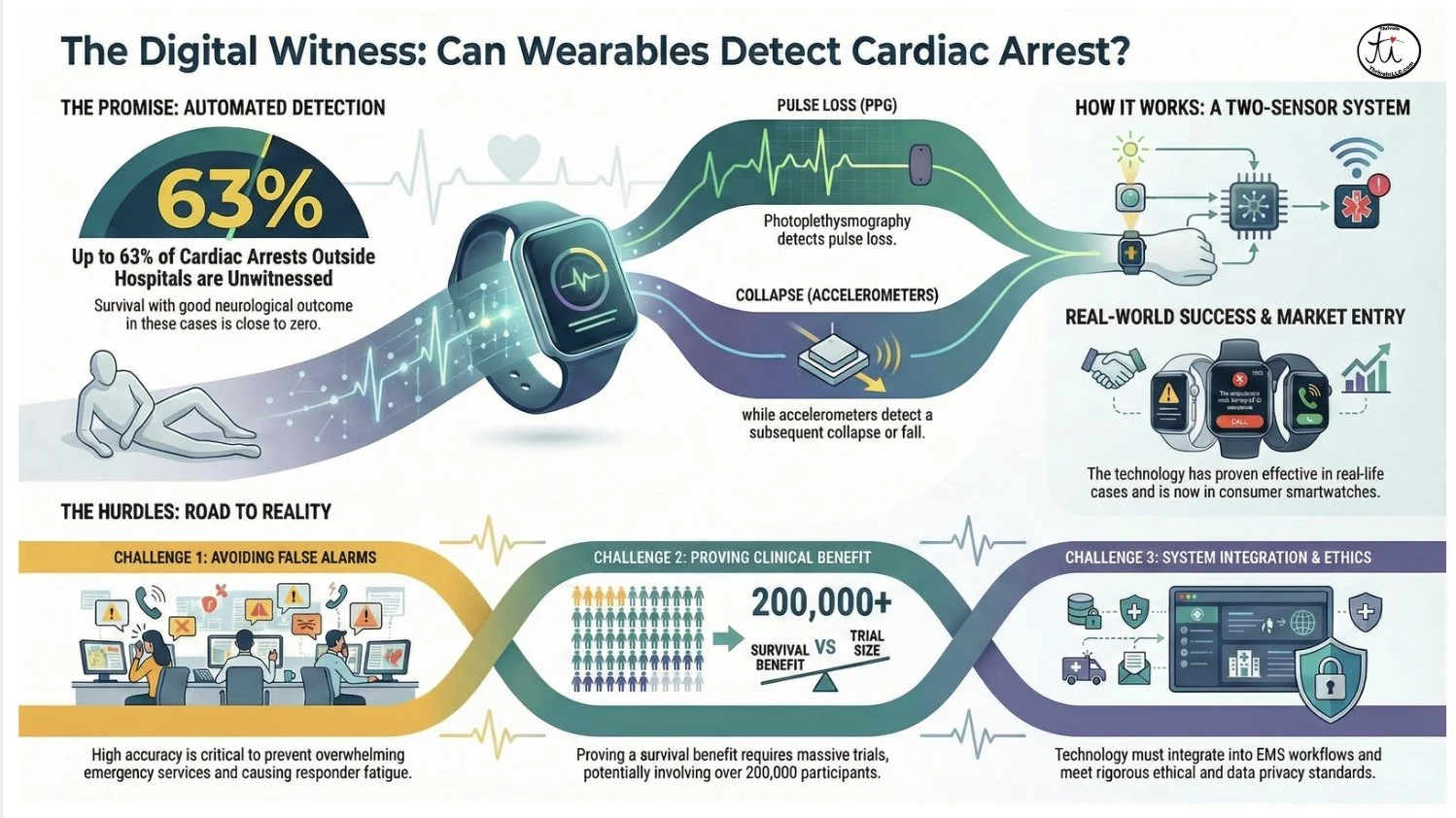
The Digital Witness: Your Smartwatch Could Save Your Life from Cardiac Arrest
We think of smartwatches as tools for convenience, tracking our steps, displaying our messages, and monitoring our workouts. But this familiar technology is quietly evolving into something far more profound. The target is one of the most critical challenges in emergency medicine: unwitnessed out-of-hospital cardiac arrest (OHCA).
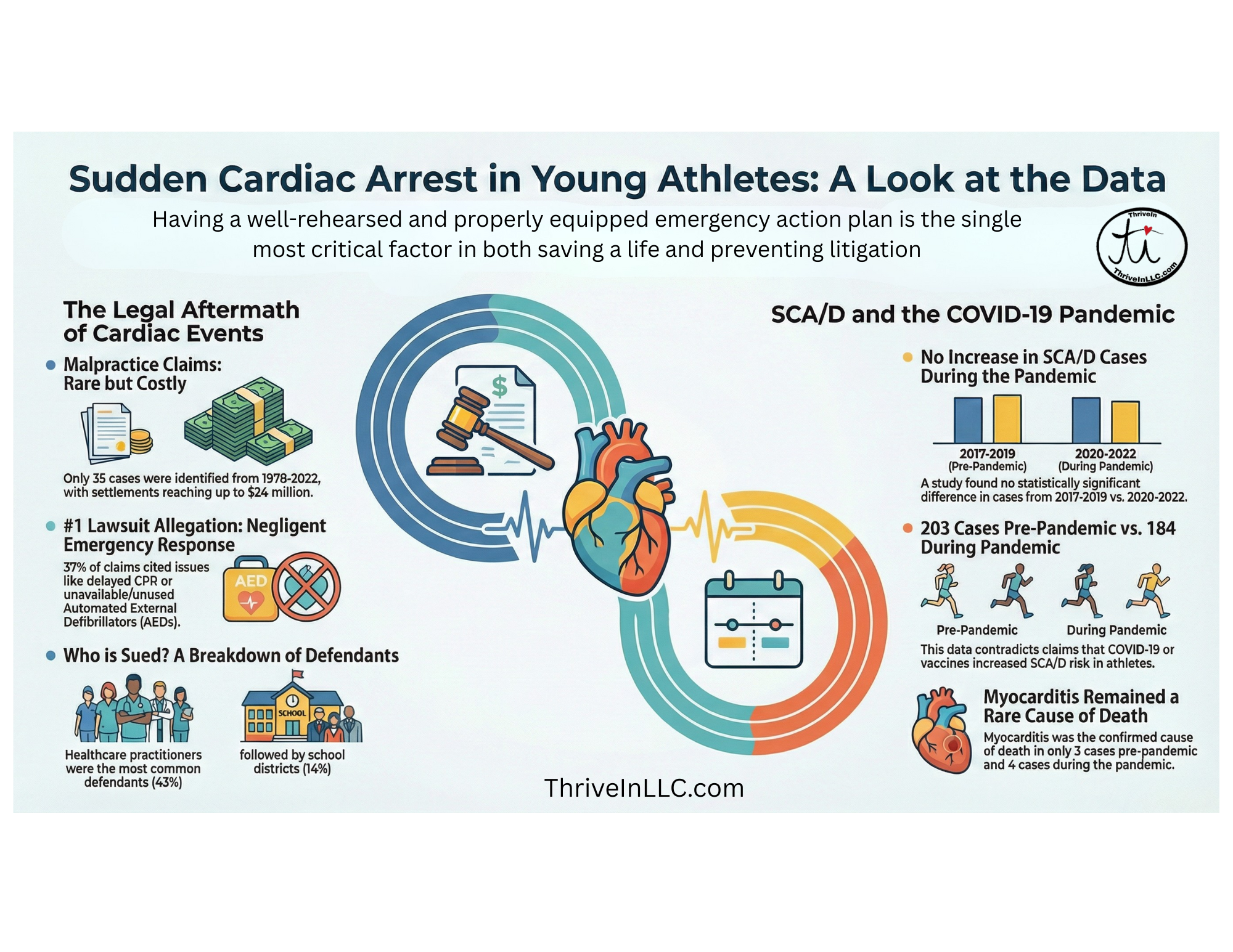
The Surprising Truths About Sudden Cardiac Arrest in Young Athletes
Few scenarios are more frightening for a patient or family member than a medical emergency. In those moments of crisis, we place our complete trust in the medical team, assuming every responder is flawlessly prepared to perform life-saving procedures. We expect perfection because the stakes are unimaginably high. But how do new staff get the training they need to achieve that level of skill, especially for events that are, thankfully, rare?