
Why Your CPR Training Surface Might Be Costing Lives
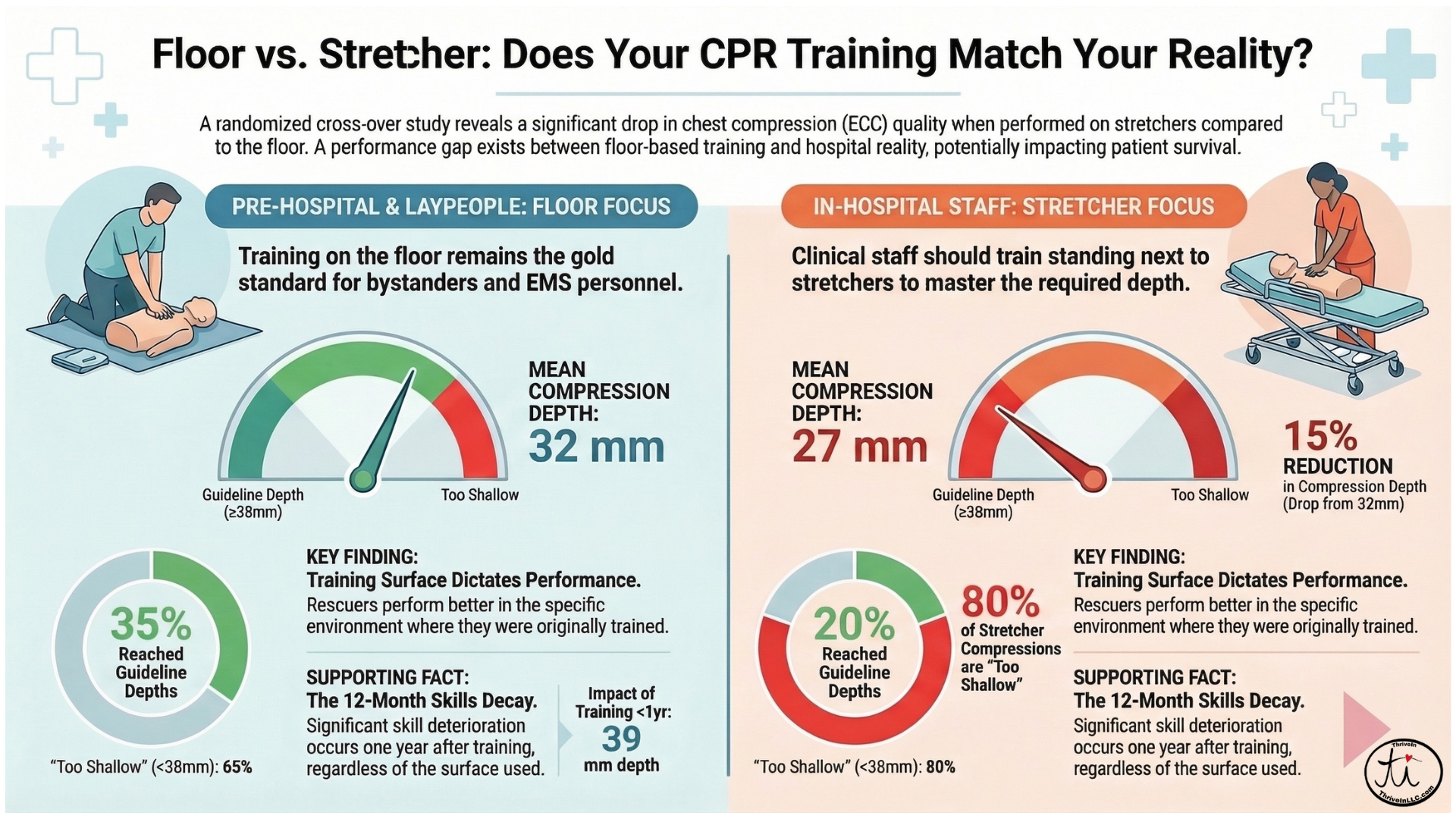
In the high-stakes in-hospital environment, we are often training our hands for a floor that doesn't exist. There is a profound clinical irony at play: while medical professionals spend countless hours mastering life-saving protocols, the physical environment of that training, usually a firm classroom floor, is fundamentally at odds with the clinical reality of an in-hospital arrest. A "simulation gap" is not merely a logistical nuance; it is a critical variable in patient survival. By evaluating the performance of nurses and nursing support staff, researchers have uncovered how our training surfaces and the rapid decay of technical skills may be quietly undermining the quality of resuscitative care.
Remote Control: Why Technology Alone Can’t Fix the “Silent Killer”
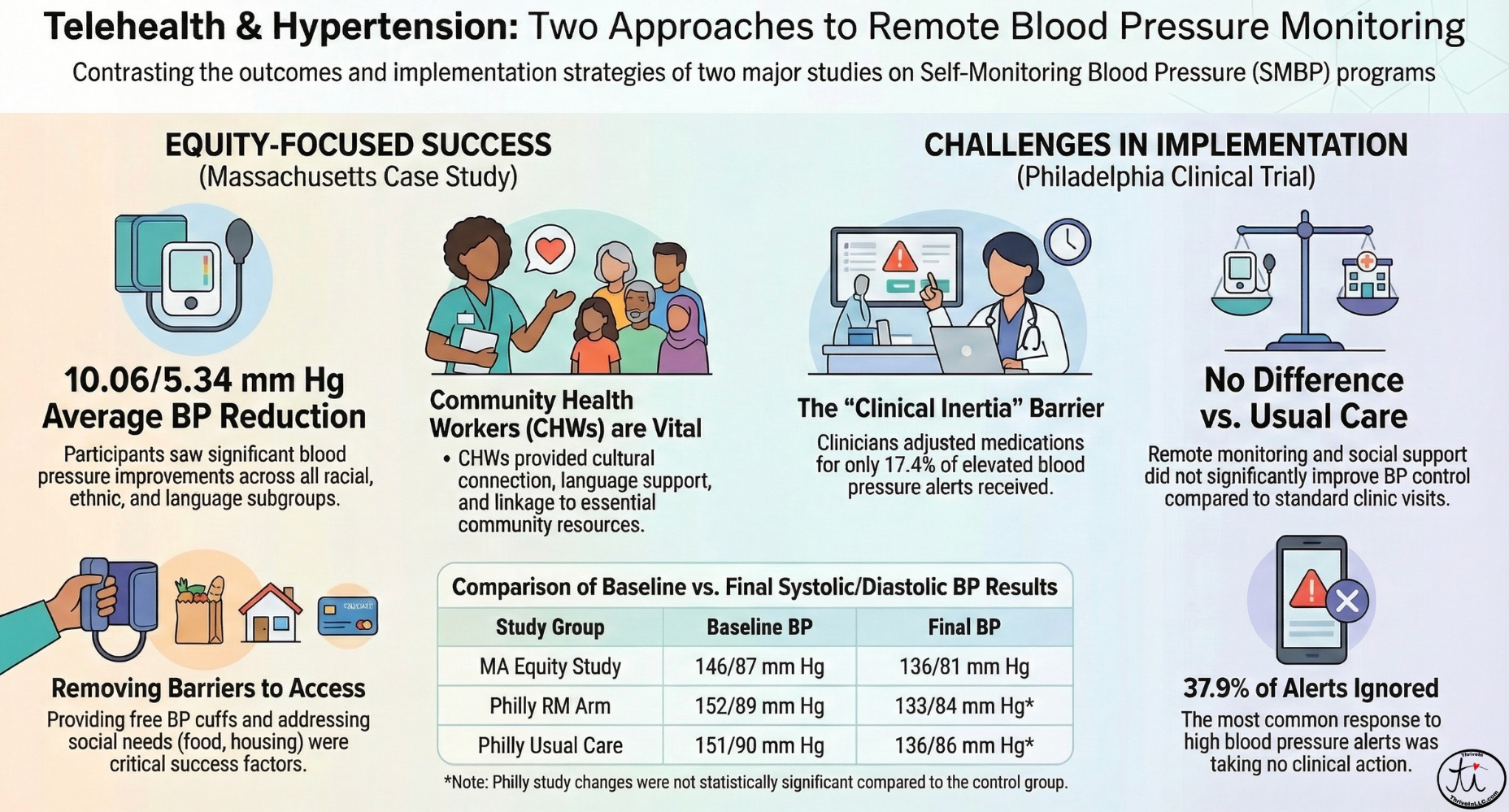
In the landscape of American public health, hypertension remains the ultimate "silent killer." Affecting nearly 30% of the adult population, it is a primary driver of cardiovascular disease, the leading cause of death in the United States. In our era of digital transformation, the promise of remote monitoring seems like a panacea: provide a patient with a Bluetooth-enabled cuff, set up automated alerts, and watch the numbers fall. Yet, as two major recent studies reveal, technology is merely a tool, not a cure.
Why do some high-tech remote monitoring programs fail to move the needle while other, more "flexible" models achieve remarkable success?
The Finish Line Paradox: Why Marathon Running is Safer Than Ever
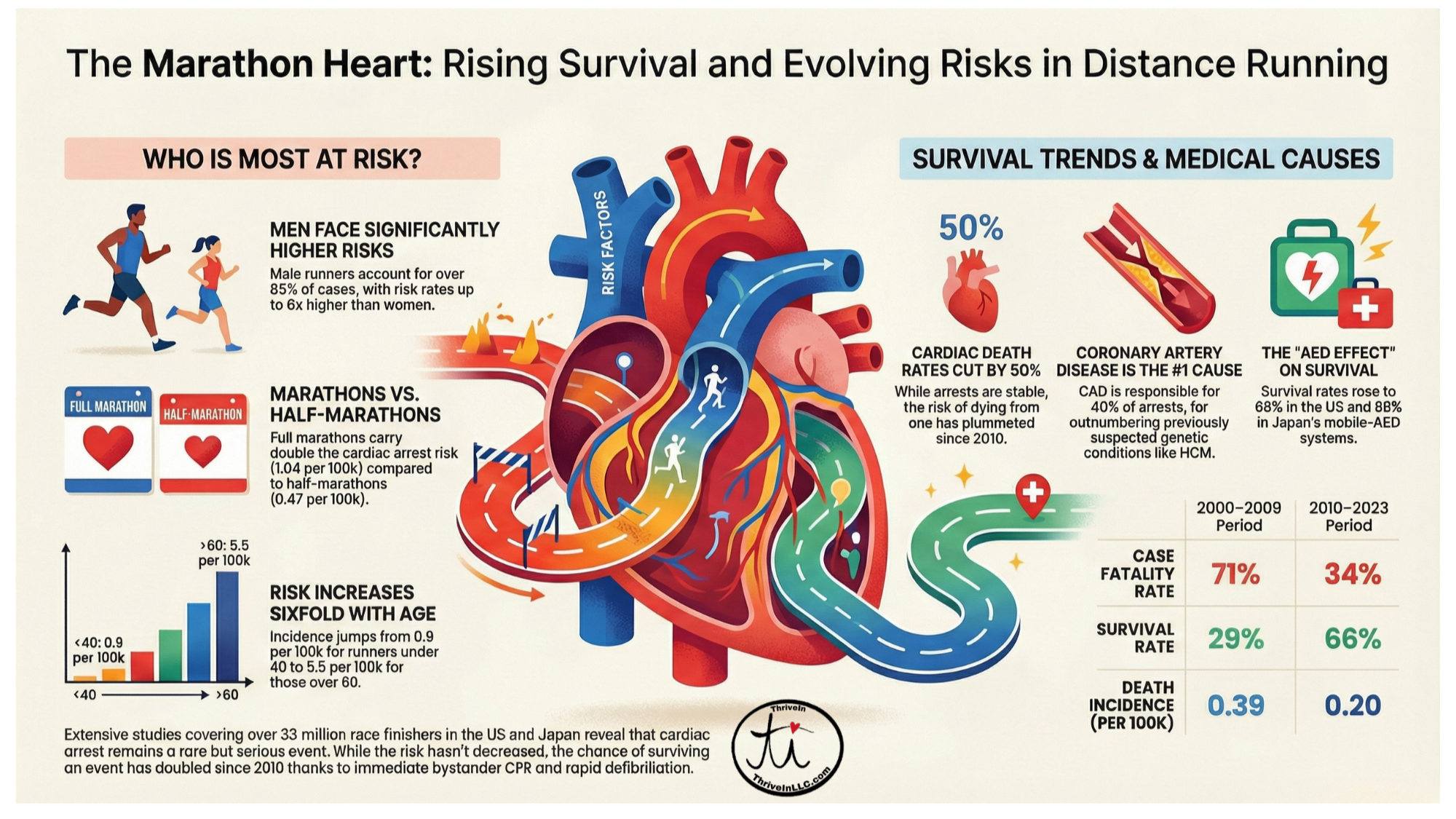
For many spectators, the image of a runner collapsing just yards from the finish line is a haunting one. It is a moment of high drama that fuels a persistent fear: the idea that the very act of pushing our bodies to their limits might cause the heart to simply stop. This fear of Sudden Cardiac Arrest (SCA) often overshadows the remarkable growth of the sport, which has seen nearly 30 million finishers in the United States alone over the last decade. However, recent landmark studies from the US and Japan are turning this narrative on its head. While the physical demands of a marathon remain unchanged, the environment in which we run has been transformed. This post explores the "Finish Line Paradox": the fact that while more of us are hitting the pavement than ever before, the racecourse has evolved into one of the safest places on earth to experience a cardiac event.

2-Minute CPR is Dangerously Outdated
Traditional 2-Minute CPR is Dangerous and Highly Outdated!