
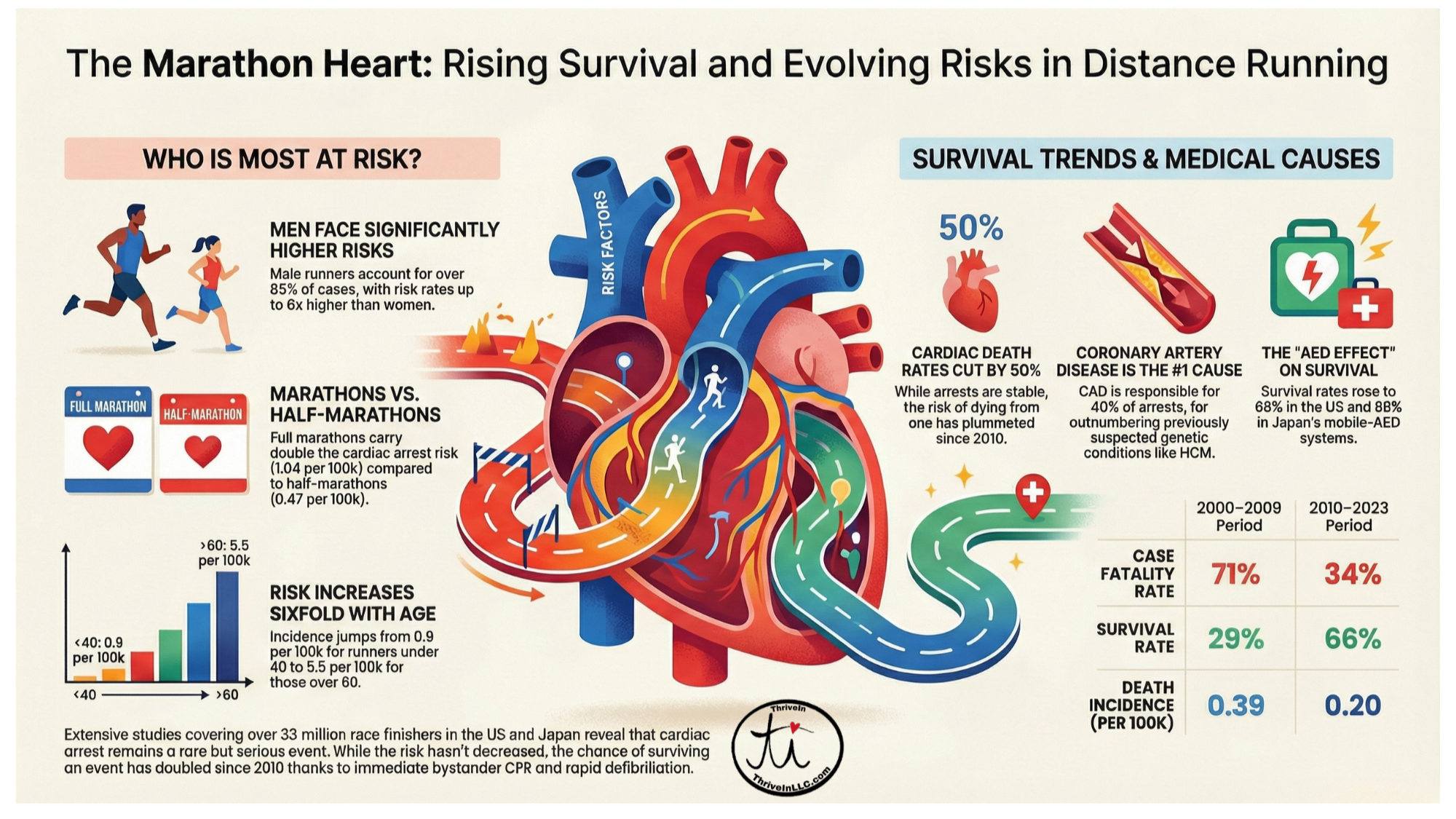
The Finish Line Paradox: Why Marathon Running is Safer Than Ever
For many spectators, the image of a runner collapsing just yards from the finish line is a haunting one. It is a moment of high drama that fuels a persistent fear: the idea that the very act of pushing our bodies to their limits might cause the heart to simply stop. This fear of Sudden Cardiac Arrest (SCA) often overshadows the remarkable growth of the sport, which has seen nearly 30 million finishers in the United States alone over the last decade. However, recent landmark studies from the US and Japan are turning this narrative on its head. While the physical demands of a marathon remain unchanged, the environment in which we run has been transformed. This post explores the "Finish Line Paradox": the fact that while more of us are hitting the pavement than ever before, the racecourse has evolved into one of the safest places on earth to experience a cardiac event.
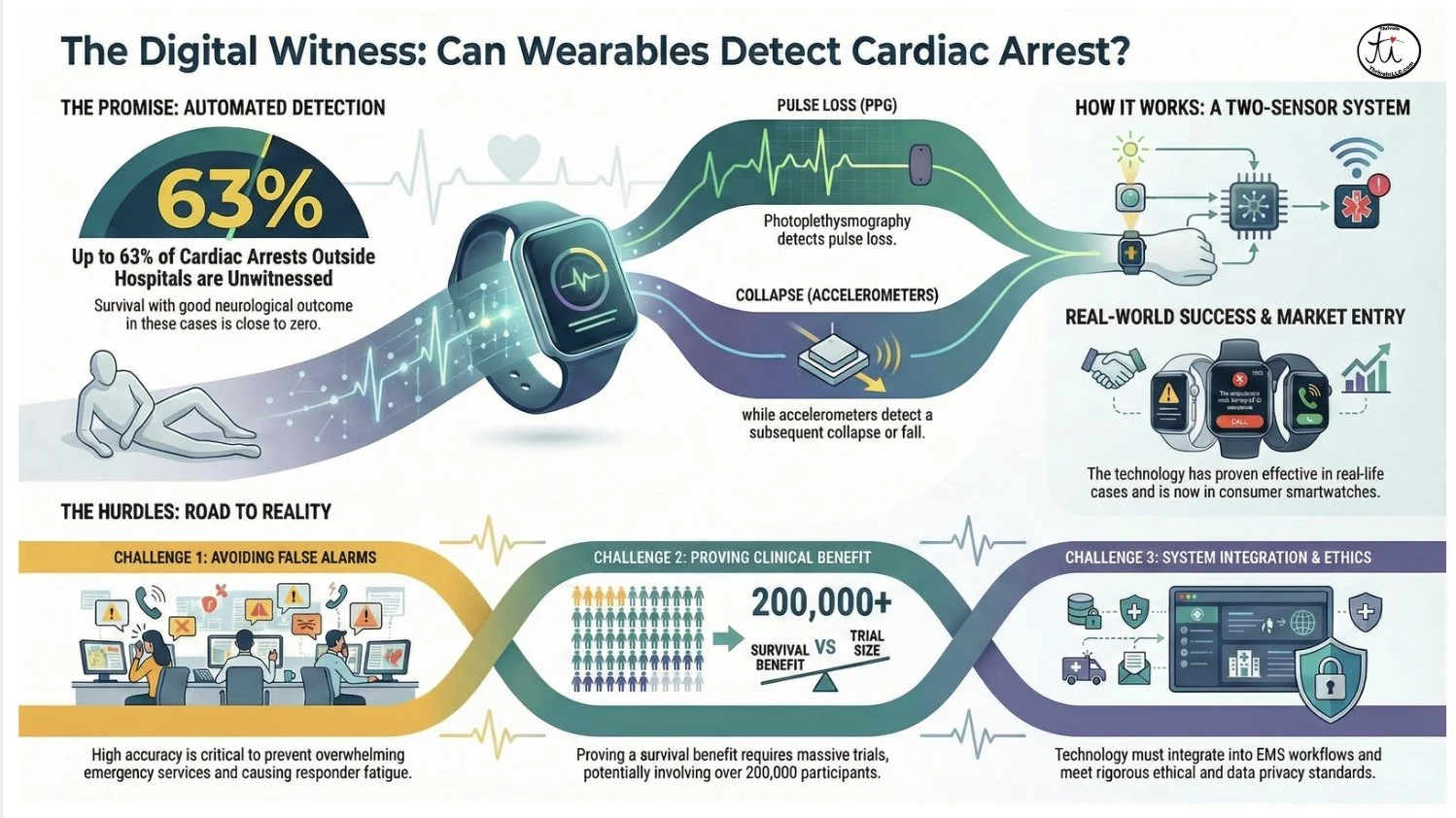
The Digital Witness: Your Smartwatch Could Save Your Life from Cardiac Arrest
We think of smartwatches as tools for convenience, tracking our steps, displaying our messages, and monitoring our workouts. But this familiar technology is quietly evolving into something far more profound. The target is one of the most critical challenges in emergency medicine: unwitnessed out-of-hospital cardiac arrest (OHCA).
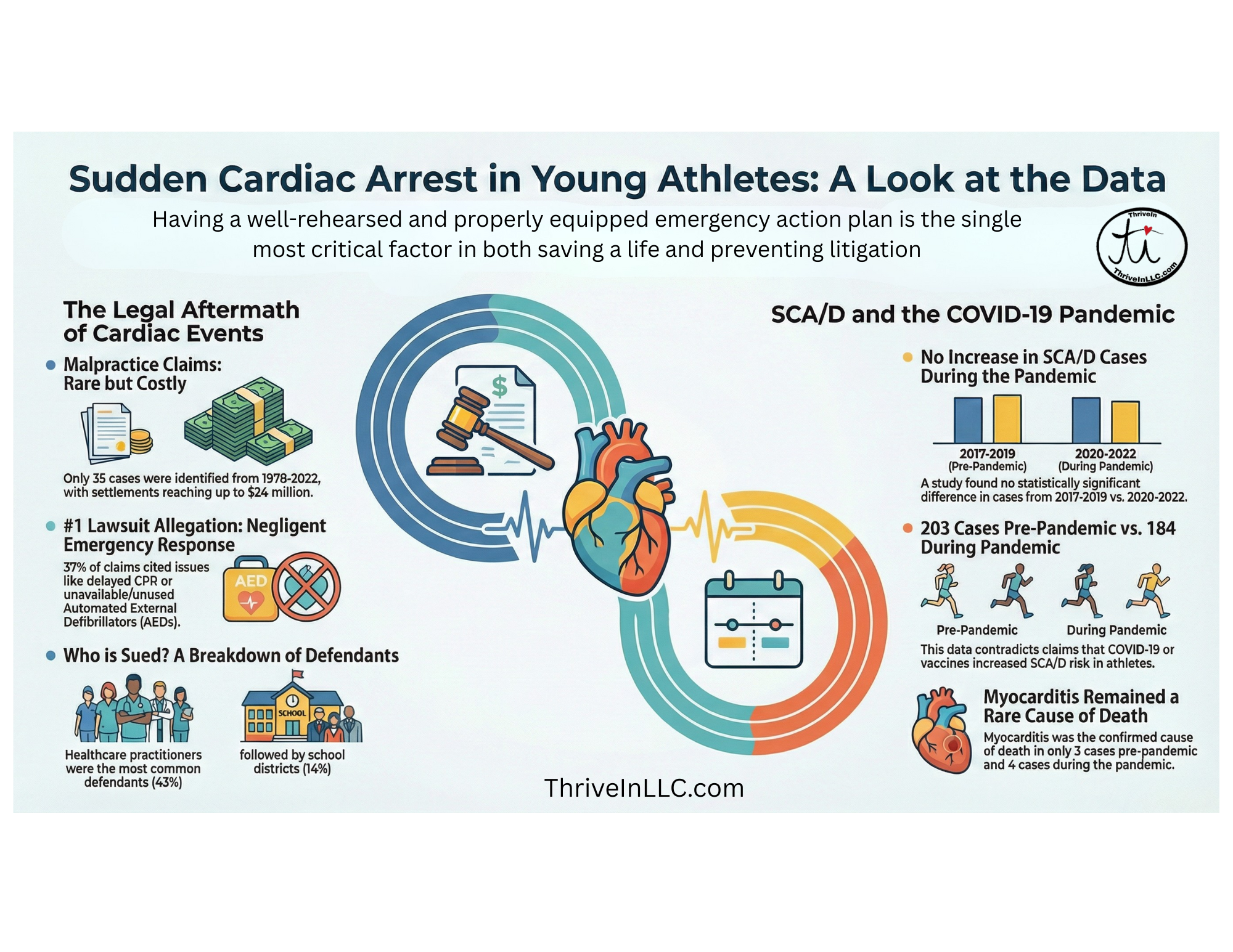
The Surprising Truths About Sudden Cardiac Arrest in Young Athletes
Few scenarios are more frightening for a patient or family member than a medical emergency. In those moments of crisis, we place our complete trust in the medical team, assuming every responder is flawlessly prepared to perform life-saving procedures. We expect perfection because the stakes are unimaginably high. But how do new staff get the training they need to achieve that level of skill, especially for events that are, thankfully, rare?
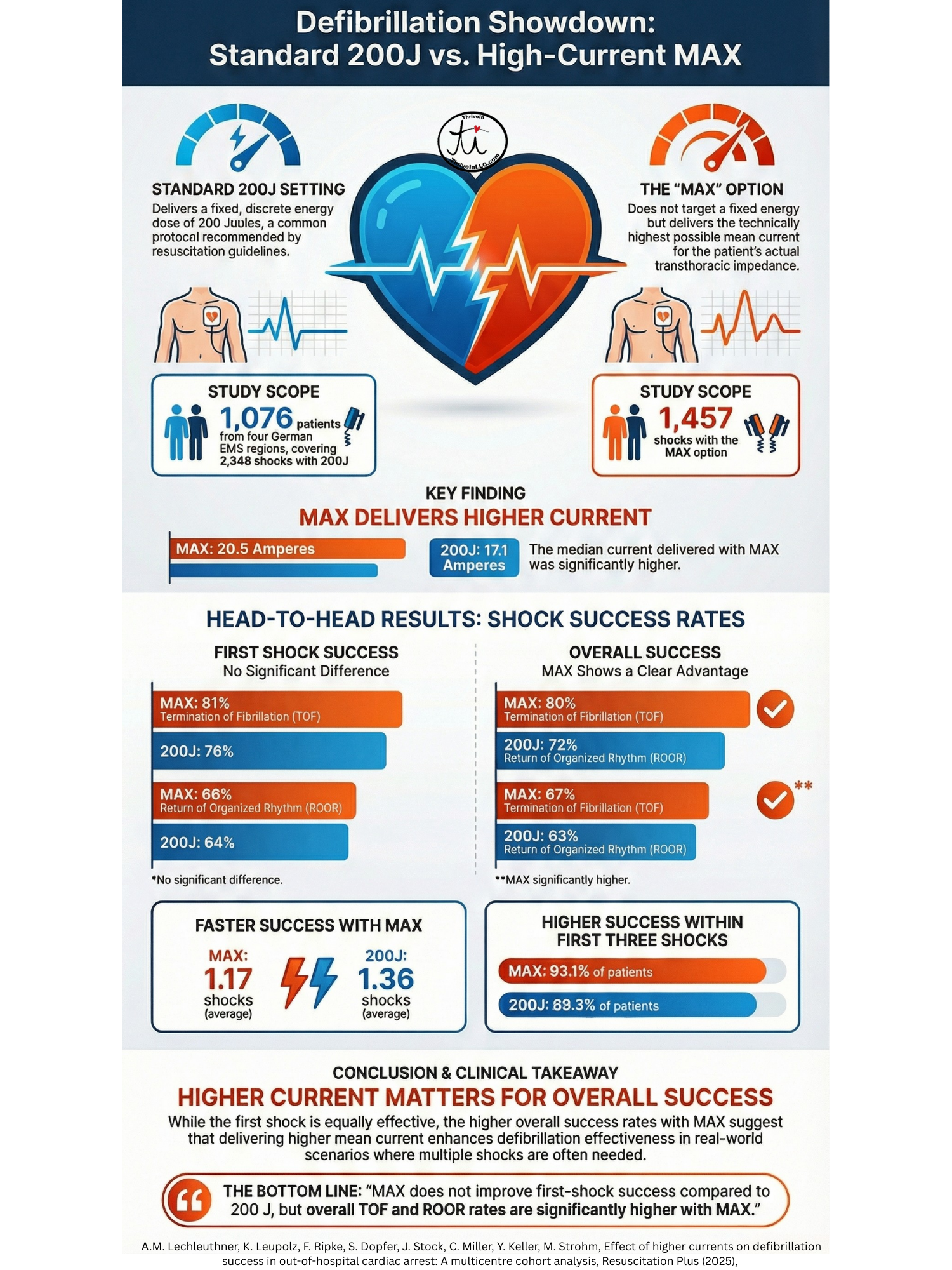

2-Minute CPR is Dangerously Outdated
Traditional 2-Minute CPR is Dangerous and Highly Outdated!